
What Is Home Health Care in Texas? A Complete Guide for Families
For many families in Texas, the idea of receiving medical care at home can feel confusing at first. Terms like home health care, in-home care, and personal care services are often used interchangeably, even though they mean very different things. When a loved one is recovering from an illness, managing a chronic condition, or needs skilled support after a hospital stay, understanding what home health care truly is and how it works in Texas can make all the difference.
This guide breaks everything down in a simple and clear way. Whether you live in San Antonio, Irving, Graham, Weatherford, Wichita Falls, Lubbock, or any of the close-knit Texas communities Beyond Faith serves, this article is designed to help you make informed and confident decisions for your family.
What Exactly Is Home Health Care?
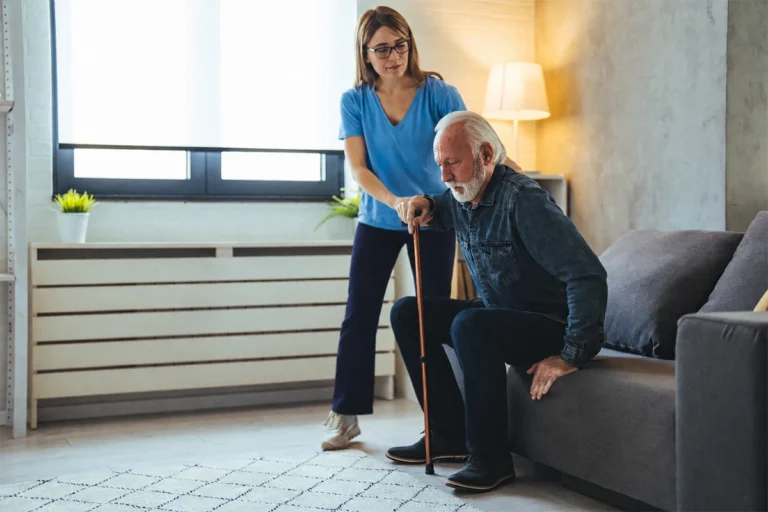
Home health care is medical care delivered in the patient’s home by licensed clinicians. It is prescribed by a physician and is typically covered by Medicare for eligible patients.
This type of care is designed for people who:
- Are recovering from surgery, illness, or hospitalization
- Have a chronic health condition such as heart failure, COPD, diabetes, or neurological disease
- Require skilled nursing or therapy to regain independence
- Have difficulty leaving home without assistance
Home health is not custodial or companion care. It is a structured, clinically guided service focused on rehabilitation, safety, and medical stability.
Who Provides Home Health Care in Texas?
A Medicare-certified home health agency will coordinate a team of licensed clinicians based on each patient’s needs. This team may include:
- Registered Nurses (RNs) and Licensed Vocational Nurses (LVNs)
Provide wound care, medication management, disease education, injections, health monitoring, and clinical assessments. - Physical Therapists (PTs)
Help patients regain strength, mobility, balance, and safety after surgery, illness, or functional decline. - Occupational Therapists (OTs)
Support daily activity independence, including bathing, dressing, grooming, cooking, and safe movement within the home. - Speech Therapists (STs)
Assist with swallowing, speech clarity, cognition, communication tools, and neurological rehabilitation. - Medical Social Workers (MSWs)
Provide emotional support, community resource guidance, and help families navigate care planning and safety concerns. - Home Health Aides
Support with personal care tasks only when part of a skilled plan of care ordered by a physician.
Agencies such as Beyond Faith Homecare, which serves communities throughout Texas, personalize the care plan to the patient’s goals, home environment, and medical needs. The aim is to help families feel supported each step of the way.
How Home Health Care Works in Texas
Here is a step-by-step breakdown of how the process typically unfolds.
- A Doctor Orders Home Health
Your physician evaluates your medical condition and determines if you qualify. Home health must be ordered by a doctor. Families cannot initiate it on their own.
- A Nurse Performs an In-Home Assessment
A skilled nurse visits the home to evaluate:
- Health history
- Medications
- Mobility and fall risk
- Home safety
- Personal goals
- Caregiver support
This assessment determines the full plan of care.
- A Personalized Care Plan Is Created
This includes:
- Frequency of nursing visits
- Therapy sessions
- Goals for recovery or disease management
- Safety and equipment recommendations
- Caregiver education needs
- Clinicians Visit Regularly
Depending on the patient’s condition, visits may be multiple times per week at first and then gradually decrease as progress is made.
- The Doctor Is Updated Throughout Care
Home health agencies stay in close communication with the prescribing physician to report progress, concerns, medication issues, or the need to adjust the plan of care.
Who Qualifies for Home Health Care in Texas?
According to Medicare guidelines, a person may qualify for home health care if they:
- Need skilled nursing or skilled therapy services
- Are under a doctor’s care
- Have a physician-approved plan of care
- Are considered “homebound,” meaning leaving home requires significant effort or assistance
Homebound does not mean a person is bedridden. Many Texans receiving home health can still leave home for medical appointments, religious services, or short occasional outings. The key factor is that leaving home requires effort or assistance such as a walker, wheelchair, caregiver help, or significant energy.
Common Conditions Treated Through Home Health Care
Home health care is widely used across Texas for conditions such as:
- Stroke
- Heart failure or CHF
- COPD
- Pneumonia
- Diabetes complications
- Joint replacements
- Fall-related injuries
- Wound care and pressure injuries
- Neurological illnesses
- Cancer-related weakness
- Post-hospitalization recovery
Families often choose home health because it reduces hospital readmissions and helps seniors remain safe at home while recovering.
How Home Health Differs From In-Home Care
One of the most common questions families ask, especially in Texas where both services are widely used, is simple.
“Is home health the same as in-home care?”
The answer is no. These are very different services.
Home Health Care (Medical):
- Clinician-based
- Ordered by a doctor
- Covered by Medicare for eligible patients
- Short-term and goal-focused
- Includes nursing, therapy, and clinical assessments
In-Home Care (Non-Medical):
- Caregivers provide support with daily tasks
- Can include meal prep, bathing, dressing, errands, and companionship
- Paid privately or through long-term care insurance
- Not clinical or medically structured
Many Texas families use both. They may receive therapy and nursing from a home health agency like Beyond Faith, along with ongoing caregiver support from a private duty provider.
Benefits of Home Health Care for Texas Families
Home health offers several advantages:
- Care Happens at Home
Patients recover in a familiar and comfortable environment. This is especially valuable in rural areas such as Graham or Weatherford where travel may be challenging.
- Lower Risk of Hospital Readmissions
Skilled clinicians monitor warning signs early and provide guidance before issues escalate.
- Personalized One-on-One Care
Plans are tailored to the patient’s condition, home layout, and goals.
- Family Education and Support
Clinicians teach families what to watch for, how to manage medications, and how to prevent falls or complications.
- Medicare Coverage
For qualifying patients, Medicare Part A and Part B typically cover approved services at 100 percent.
Frequently Asked Questions (FAQ)
These responses are crafted to be clear, concise, and genuinely helpful.
Does Medicare cover home health care in Texas?
Yes. Medicare usually covers home health care at 100 percent for eligible patients. Covered services include nursing, therapy, medical social work, and limited home health aide visits.
How often do home health nurses visit?
It depends on the patient’s condition and doctor’s orders. Some people receive several visits per week initially, and visits taper off as they improve.
Can you receive home health and in-home care at the same time?
Yes. Many families combine skilled medical care with non-medical caregiver support for a more complete safety net.
How long does home health care last?
Home health is typically short-term and goal-oriented. Care continues as long as the patient shows progress and meets Medicare criteria.
If someone you love needs skilled support at home, Texas families can turn to trusted home health providers like Beyond Faith for guidance, compassion, and clinically guided care.
About the Author

Renan Augusto
Marketing Manager, LifeCare Home Health & Hospice Family
Blending digital innovation, compassion, and strategy to elevate home health, in-home care, and hospice across the LifeCare Home Health & Hospice Family.
Renan Augusto is a digital marketing strategist with a Master of Science in Digital Marketing, Meta Digital Marketing Certification, and specialized training in AI-powered marketing through Semrush. He brings a strategic, people-first approach to the LifeCare Home Health & Hospice Family, helping families across the country to find trusted, compassionate in-home care through clear and meaningful communication.
With extensive experience in the senior care space, Renan has helped hundreds of families begin home care services. As a Certified Dementia Practitioner, he brings empathy and clarity to every project, ensuring that education and outreach remain accessible, respectful, and centered on real people.
Renan previously served as Marketing Chair for GROWS and continues to serve as an Advisor. GROWS is a nonprofit organization focused on strengthening the senior care community through advocacy, education, and collaboration. His work centers on connection, authenticity, and digital strategies that make a meaningful difference in people’s lives.